

Healing My ACL: A Non-Surgical Approach
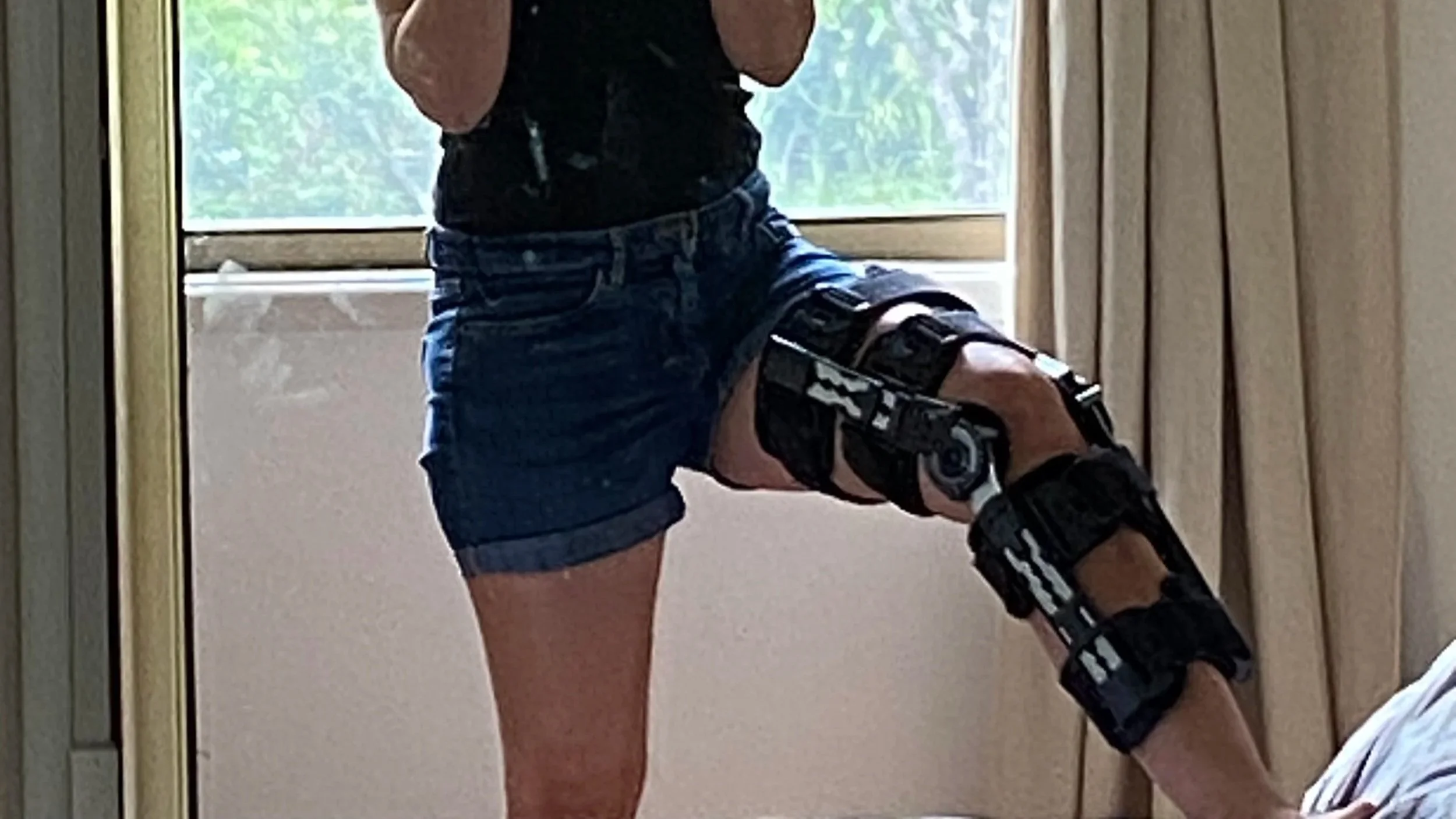
This was the first brace I use for a few weeks, until I discovered a brilliant slimline version which just covered the knee and had inbuilt angle controls.
On January 1st, 2025, I fully ruptured my anterior cruciate ligament (ACL). For many people, that kind of injury automatically leads to surgery, followed by a long, structured rehab period. But my path turned out to be very different.
By May 2nd, just shy of five months later, a second MRI showed that my ACL was intact again. What happened between those two scans was months of hard work, determination, research and a willingness to look beyond the standard approach.
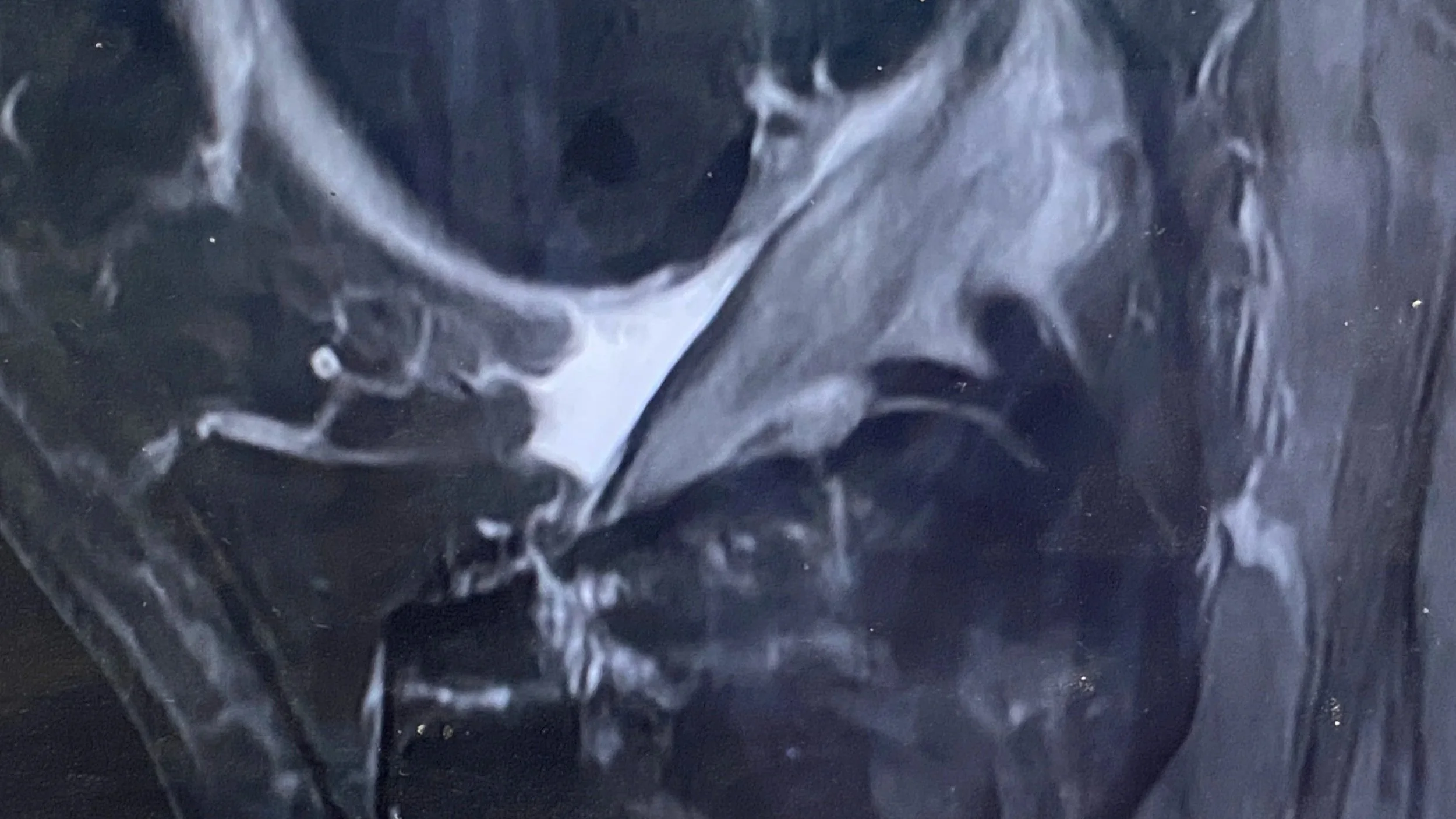
MRI on 2nd May 2025 showing ACL in tact.
Diving Into Research
In the early days, I went down a rabbit hole looking for any possibility of natural ACL healing. My search led me to practitioners in Japan such as https://jun-matsumoto.com/acl-tear-online-therapy/who were helping patients heal their ACLs without surgery. I booked my first appointment with Jun. Jun was calm, kind and positive and opened my eyes to what could be possible.
That experience sparked another question: if this approach was available in Japan, surely someone in Australia must be exploring similar methods. I kept searching, reading, and watching until I eventually came across the lectures of Dr. Kieran Richardson online: https://www.youtube.com/watch?v=HZRY1bwOIYI&ab_channel=KieranRichardson
His work provided a framework - a practical, evidence-informed way forward here at home. https://globalspecialistphysio.com/meet-us-1.
It is worth saying that I did also meet for second and third opinions with physios and sports medicine professionals who all pointed me towards surgery. It was the experience with one of these meetings that actually led me down the natural path, as it wasn’t a positive experience. I left feeling frightened, anxious and unsupported. So I chose the path where I felt the opposite of those things. I know that wouldn’t be many people’s experience as there are amazing surgeons and practioners out there, but this happened to be mine. And I learnt so much from this.
Structured Rehab and Modified Bracing
I began a high-quality, professionally guided strength and rehabilitation program, paired with a modified bracing protocol. By the time my scans had confirmed the injury, I had already missed the 21-day cut-off for the 90-degree cross-bracing protocol, so I approached this along with my physic team using a modified bracing protocol. This actually turned out to be far more realistic a method for me as meant I could still get about easily and drive a car.
My knee was initially braced at 45 degrees for several weeks, with the angle gradually changed based on my progress and regular discussions with my physiotherapist over a 12-week period. Eventually, the brace was opened back to 0 degrees, allowing me to work toward full flexion and extension.
Every step, from building quadriceps, hamstring, glute and calf strength to regaining stability - was measured, intentional, and done with both caution and optimism.
Setting Goals That Mattered
One of my biggest goals was to be able to sit back onto my heels again. As a long-time yoga lover, I wanted to return to my practice with confidence and without restriction. Beyond yoga, I had visions of stepping back onto a tennis court and even paddling out on a surfboard.
These weren’t just fitness goals - they were anchors. They gave me something deeply personal to aim for on the days when progress felt slow or uncertain.
Herbal Supports: Comfrey and Castor Oil
Alongside my rehab, I incorporated two key herbal supports: comfrey ointment and castor oil.
In my naturopathy studies, I had learned about the powerful healing potential of both of these herbs, knowledge that immediately came to mind when I was deciding how best to support my knee.
Castor oil is known for its ability to soften adhesions and scar tissue and may help reduce inflammation. An ACL injury naturally triggers swelling and inflammation as the body rushes to heal, but this can bring pain and discomfort. For months, I slept each night with a castor oil pack secured to the back of my knee. The relief it provided was significant - it eased discomfort and seemed to calm the knee, making movement easier the next day.
I also applied comfrey ointment several times a day. Both herbs have long histories of use for tissue support and reducing inflammation, and my research pointed me toward these specifically. They became quiet but essential players in my recovery toolkit.
Looking Back, and Forward
Recovering from a fully ruptured ACL without surgery isn’t the common path, and it’s certainly not an easy one. It required trusted guidance, evidence-informed rehab, patience, and a willingness to try approaches that many people don’t even realise exist.
Today, I’m back to moving freely, rebuilding strength, and working toward returning to the activities I love most. My journey taught me that with the right information, professional support, and personal dedication, the body’s ability to heal can be extraordinary.
References & Further Reading
Herbal Supports
Comfrey: ancient and modern uses. The Pharmaceutical Journal. Available at: https://pharmaceutical-journal.com/article/news/comfrey-ancient-and-modern-uses
Comfrey root: from traditional use to modern science. PubMed Central (PMC). Available at: https://pmc.ncbi.nlm.nih.gov/articles/PMC3491633/
Sailaja AK (2017). Treatment of Uterine Fibroids Based on Allopathy and Indian System of Medicine. J Nurs Women’s Health 2:122. DOI: 10.29011/2577-1450.100022
Therapeutic applications of castor oil. PubMed. Available at: https://pubmed.ncbi.nlm.nih.gov/36382736/
Grollman AP, Marcus DM. (2016). Toxic plant-derived products used medicinally: herbal remedies. New England Journal of Medicine, 375:373–382.
Ulbricht C, et al. (2010). An evidence-based systematic review of comfrey (Symphytum officinale) by the Natural Standard Research Collaboration. J Diet Suppl, 7(3):351–368.
Supplements & Collagen
ScienceDirect. (2023). Collagen supplementation in skin and orthopedic diseases. Retrieved September 6, 2025, from https://www.sciencedirect.com/science/article/pii/S2405844023021680
ScienceDirect. (2011). Regeneration and repair of tendon and ligament tissue using collagen. Retrieved September 6, 2025, from https://www.sciencedirect.com/science/article/pii/S174270611100239X
ScienceDirect. (2024). Oral administration of hydrolyzed collagen in knee osteoarthritis. Retrieved September 6, 2025, from https://www.sciencedirect.com/science/article/pii/S2451865424001716
Herrero, J. et al. (2023). Collagen supplementation for joint health: Composition and scientific knowledge. Nutrients, 15(6), 1332. https://www.mdpi.com/2072-6643/15/6/1332
ClinicalTrials.gov. (2022). Efficacy of hydrolyzed collagen peptide on joint pain and function. Retrieved September 6, 2025, from https://clinicaltrials.gov/study/NCT05369780
BMC Musculoskeletal Disorders. (2024). Effect of supplementation with type I and type III collagen peptide on osteoarthritis. https://bmcmusculoskeletdisord.biomedcentral.com/articles/10.1186/s12891-024-08244-w
Journal of Clinical Medicine & Surgery. (2023). Effectiveness of hydrolyzed collagen peptide injection for collateral ligament pain. Retrieved September 6, 2025, from https://www.jclinmedsurgery.com/articles/jcms-v3-1127.html
Wiley Online Library. (2007). Collagen I membranes for tendon repair. Journal of Orthopaedic Research. https://onlinelibrary.wiley.com/doi/pdf/10.1002/jor.20812
Disclaimer: This article reflects my personal experience and research. It is not intended as medical advice. Always consult a qualified healthcare professional before beginning any new treatment, rehabilitation program, or using herbal remedies, particularly after a significant injury.